Relations We Never Meet
But really do through all that's left in their wake

My grandmother passed on seventy years ago today.
I didn’t get to meet her. But she’s in me.
Her qualities, I like to believe, like love, art, music, kindness, humor, grace, devotion, fidelity, family.
I’ve been told that she expressed these to my father. That he, in turn, expressed them to me. I suppose we don’t really think much about such things until we’ve lived a while and see what happens in lives that are lived without them.
And then one day we wonder where they came from and we go looking for their source. In my case, I find my paternal grandmother Verna Mae Rose.
Her death in 1956 at age forty-five all but devastated my father.
As a kid, I always made up a story for what was left untold. I’ve come to believe that the universe united my parents (and later split them) because both suffered immeasurably when young: mom’s father died when she was sixteen; dad lost his mother at eighteen.
A few years before my father died in Kansas City, I asked him about her.
It was September 1955 and his whole life lay ahead. With an aptitude in math and drawing, he’d begun as a freshman engineering student at the University of Kansas, about forty miles to the west.
By that Christmas, she was doing worse. It was a long-standing cancer unamenable to treatment no matter which doctors got involved (and many were). She had been in and out of the hospital for a year or two.
He said he found it hard to concentrate in school but made it through his first semester. She died at the beginning of what was to be his second. They took her back to Philadelphia, to be buried by her brother John, who owned a funeral parlor a stone’s throw from where she grew up.
It was a terrible time for my dad’s father, he said. His younger brother struggled as a junior in high school; his older brother took leave from the Army. Dad was depressed and wanted to drop out (he stayed home a semester instead).
It occurred to me listening to my father that most, if not all, of his emotional intelligence up to that point had come from her.
It’s often said that fathers get the first child and mothers get the second and the third. Dad was born second.
Undertakers and Engineers
Born in Philadelphia in 1910, my grandmother came from a family of undertakers. She was the first of five children born to a second-generation immigrant and second-generation undertaker. Her mother was the daughter of immigrants—one from Germany, the other from Northern Ireland.
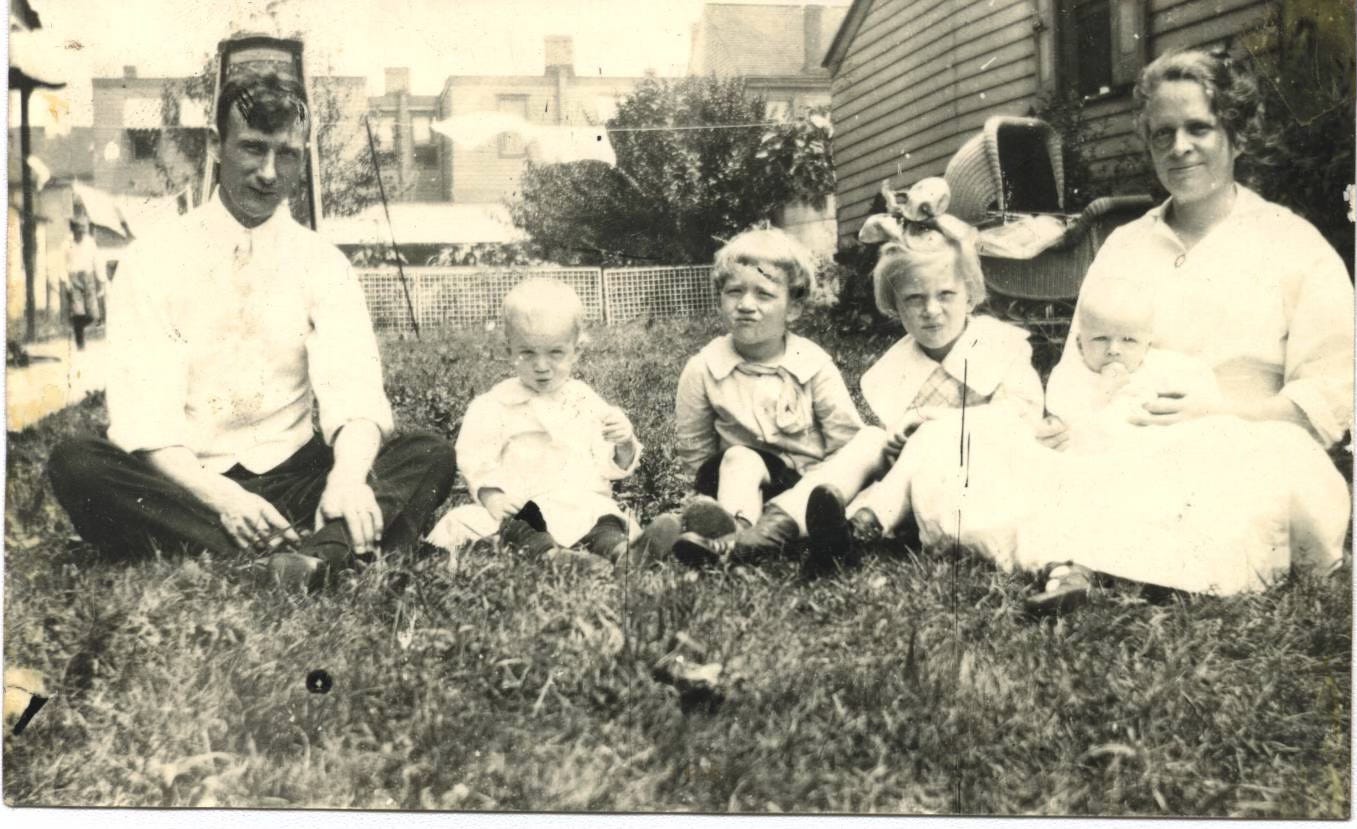
No one knows where the name “Verna” came from: it was the 126th most popular that year and means “springtime.” She was born on April 1, which might explain it.
A brother came a year later, then a few years later, two more brothers, and finally a sister. Two months after baby Eleanor was born in the year 1923, their father died tragically. (Charles likely caught the infection that killed him during his work with the dead, it quickly spread to his brain.)
My grandmother, not yet thirteen, took on a larger role in the family helping her mother with the four younger ones. They moved from Bridesburg to the northeastern suburb of Lawndale, not far from Frankford High School, where she was in Latin club, played volleyball and basketball.
And where she met my grandfather, a character named Walter Charles Carolan.
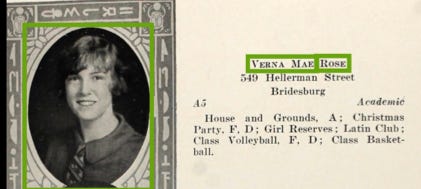
After high school, Verna went to the Peirce School of Business Administration. Walter went to college too. In part with funds that he made working: at age fifteen, he sold bread door-to-door for the Freihofer Baking Company after his father left the family.
The couple stayed together and at the end of 1930, they put an announcement in The Philadelphia Inquirer: “Engagement on Christmas Day: Verna Mae Rose Becomes Fiancée of Walter C. Carolan.”
I’m wondering now, aloud, whether I’ve found the answer to why the big dramas on my father’s side of the family happened around Christmastime (weddings, deaths, reconciliations, stories that are passed down). And why Charles—my middle name—keeps coming up. (It was said to have been placed upon me by my mother in honor of her father, who had died nine years before I was born.)
The day before the wedding—June 26—seems to be just as important. Arrangements were made: her father’s older brother, Uncle Bill, an undertaker and a furniture dealer, would walk her down the aisle to my grandfather. The newlyweds would move into their marital home on Jeanes Street in the upper-middleclass Fox Chase neighborhood when they returned from their honeymoon.
As a wedding gift, Uncle Bill signed for her a furnished bedroom, delivered: 1 Dresser, 1 Bed, 1 High Boy, 1 Spring, 1 Mattress, 1 Freight charge on bedroom furniture, 2 oval rugs, 1 pair of pillows, 1 rug pad, and “Men for Hauling.” All for a whopping $141.25. Believe it or not, that’s about three grand today.
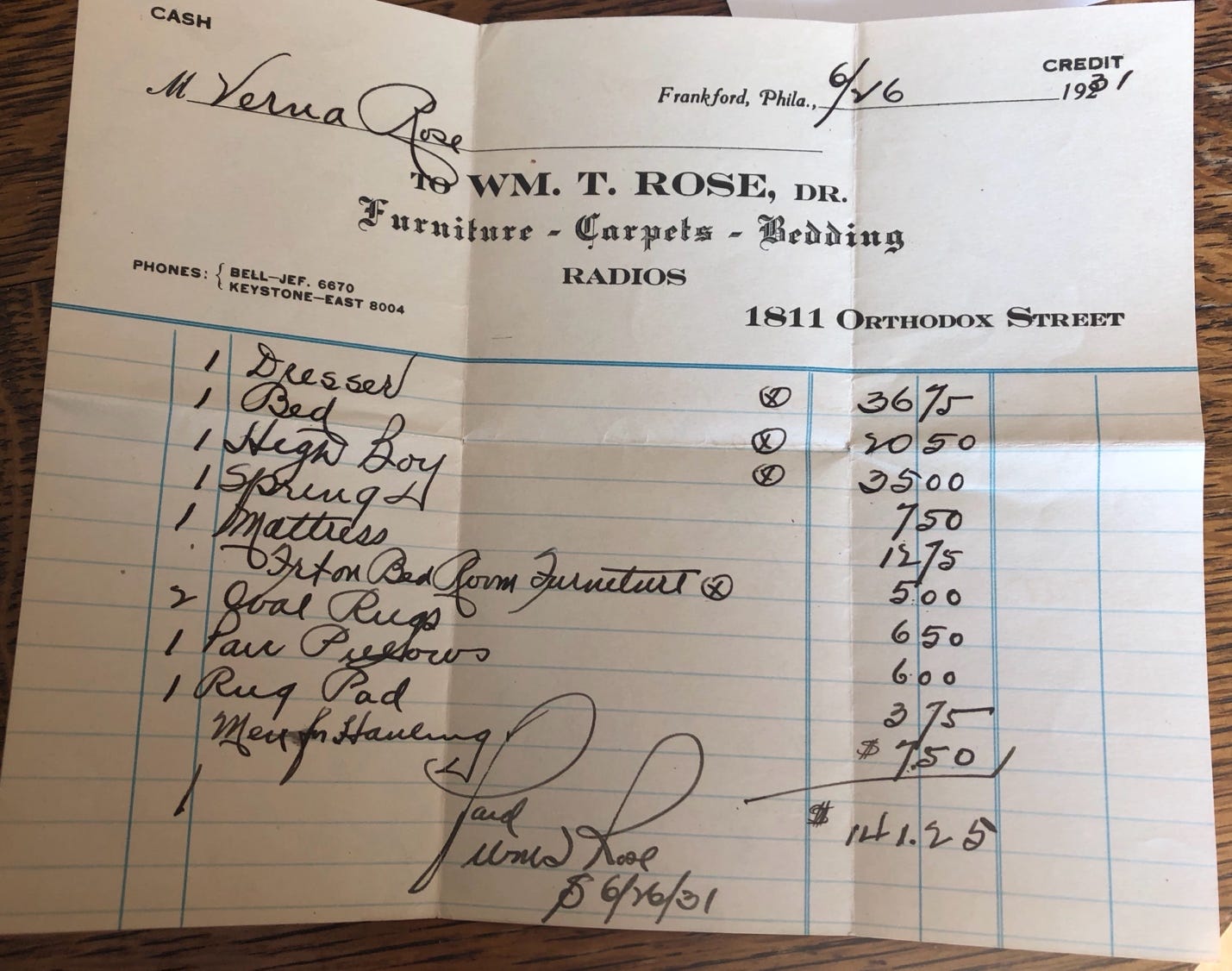
What’s of most interest about families is what they keep around. The receipt was passed from my grandmother to her eldest son to his brother and to me. It was dear to my grandmother, this gift, this grace. And a clue as to the importance of that relationship.
Furniture, Weddings, Funerals
There’s no funeral parlor mentioned only “Furniture-Carpets-Bedding” and then, in all caps: RADIOS—gadgets that were, after all, in their golden age as the iPhone of that era (ninety percent of households in America owned one nine years later in 1940).
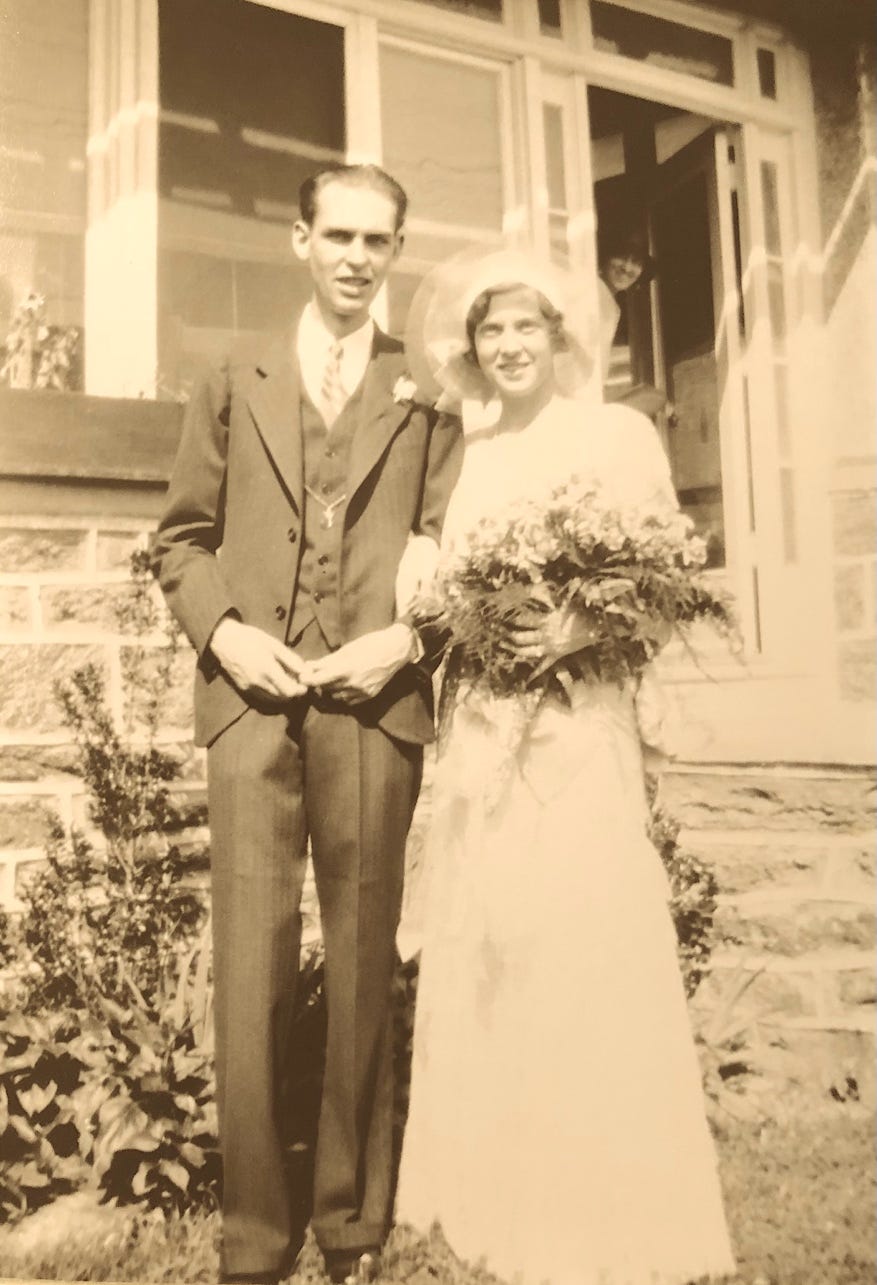
The next day, Saturday, June 27, 1931, my grandparents got hitched at the Immanuel Lutheran Church in Burholme, the church of my grandfather’s mother. It was three weeks after he received a degree in structural engineering from the Drexel Institute of Art, Science and Industry. He was twenty-three. She was twenty-one.
After the ceremony, it was off to the bride’s mother’s house for a reception and then to Eagles Mere, a resort destination favored by “affluent visitors from Philadelphia for honeymoons.”
The couple’s first born came the following year, named for his father, Walt Jr.
My father came along five years later.
My grandmother surely named my father for her stand-in father, Uncle Bill, who stepped into the role as best he could after his brother had died when his niece was twelve.
Uncle Bill, or William Tippetts Rose, was named for his grandparents, William Rose and Helen Tippetts.
Last year, I visited the church in London where my father was ostensibly conceived—at least on the spirit plane—four generations before his birth. The two were married—William and Helen—on July 25, 1852, at St. Pancras Church, believed to be the oldest site of Christian worship in England. My father was born the day before, July 24, eighty-five years later.
Two years after my father’s birth, in 1939, Uncle Bill died and my grandparent’s third son was born, my father’s brother whom I knew as my Uncle Bob. He was named for Verna’s brothers Robert and John, both of whom were undertakers and whom would die “young.” Robert was thirty-seven; John fifty-five.
My Uncle Bob would die young too. He was thirty-nine.
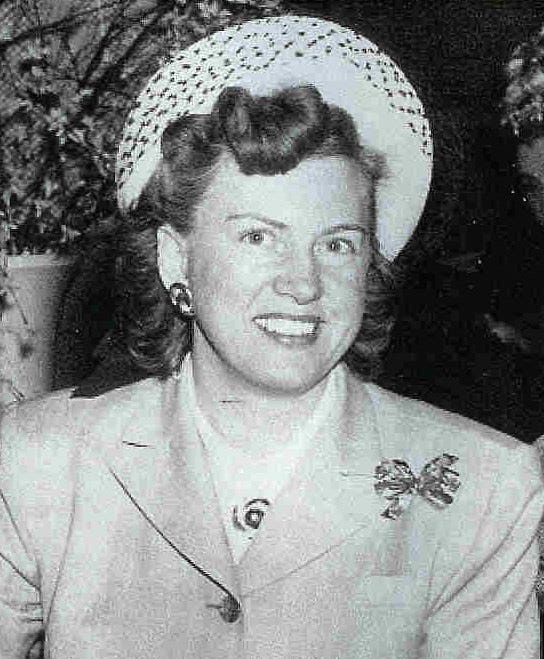
By 1940, my grandfather took the family to Chicago as he climbed the proverbial ladder with the Link-Belt Engineering Company.
In 1942, he obtained a job in Kansas City as a plant manager for Aircraft Accessories (they made hydraulic equipment and radio crystals for bombers). He left the family in Chicago for a year before bringing them out.
Verna’s Philadelphia family couldn’t believe Walt had moved their oldest, beloved sister thousands of miles away out West.
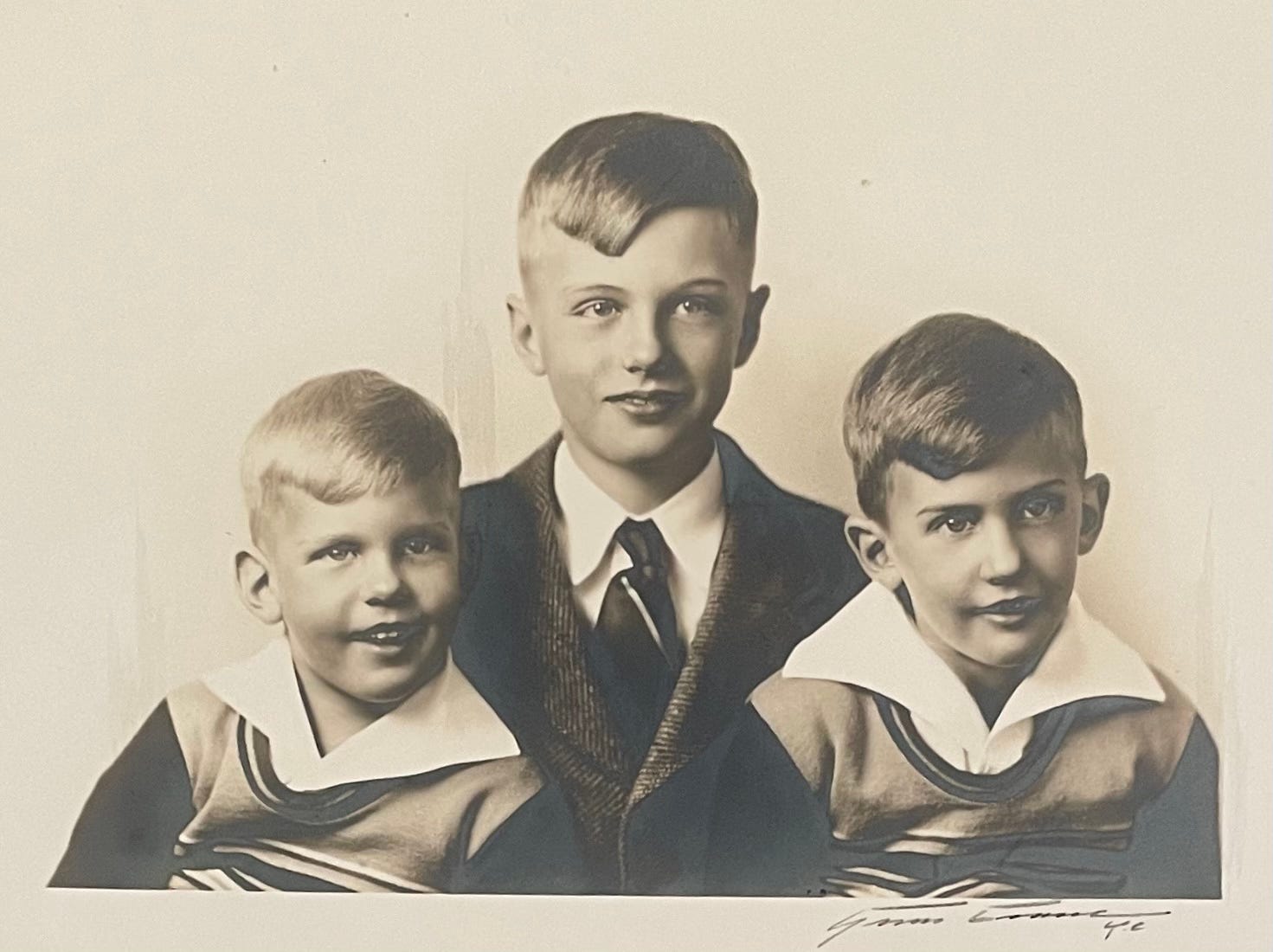
After the Second World War ended, Walt went solo as a manufacturers representative. He peddled the variable speed motor in a variety of applications in factories across the Midwest. It was for manufacturing firms the same thing that the encyclopedia was for affluent homes: a necessity.
Lucrative too and by the late 1940s, he had moved my grandmother and my father into a fine home in an exclusive neighborhood about which I wrote on Wikipedia. Verna became active in the Methodist Church. They relaxed on a 200-acre gentleman’s farm with cattle and horses in the rolling prairies at Lone Jack south of the city.
My grandfather died thirteen years after my grandmother (and three wives later). He died three days before—you guessed it—Christmas.
Consider this: his son Walt Jr. would die two days after the holiday (in 2010); his son Bob died a few weeks after Christmas (in 1979); he married his fourth wife a few days after the holiday (on January 3, 1964).
For at least some of her married life, before the cancer set in, my grandmother suffered in another way—one all-too-common in the era. Her husband had multiple affairs, often with his secretaries. My mother had told me this beginning in my teenage years, which, coming from her, had a particular irony.
She said that it was common knowledge that when Verna took my father and his brothers from Kansas City to Philadelphia to Long Beach Island for the summers, grandfather had affairs back home.
In fact, when my father was growing up, his mother reportedly told him, “if you ever get married, never do that to your wife.”
That’s according to what one of my father’s closest and favorite cousins told me.
“I think it all hurt your grandmother very much though she was the last one to tell you about it,” she told me. It was her father who had buried my grandmother.
My father, by most accounts, heeded his mother’s advice.
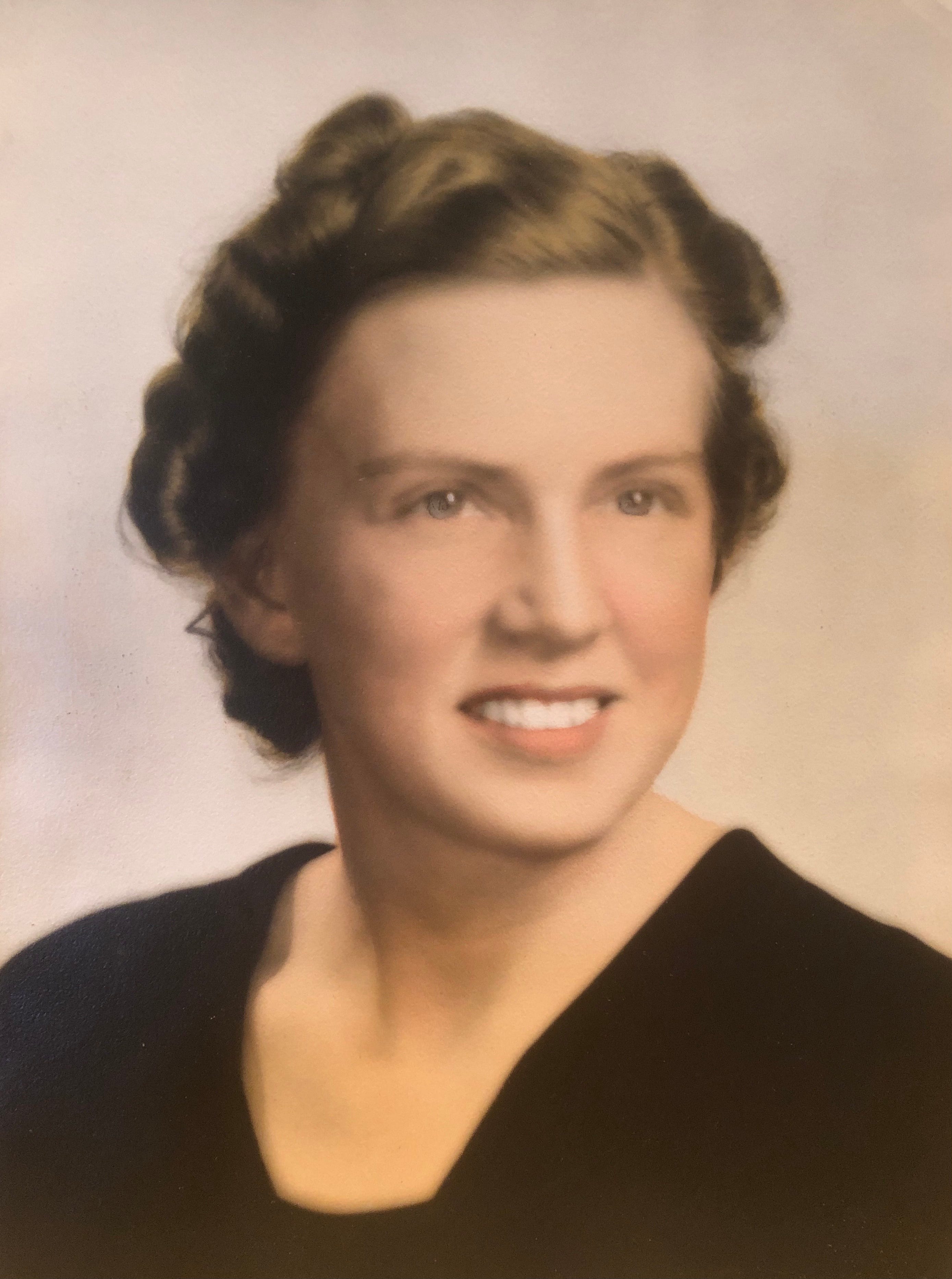
Turns out the cancer that took my grandmother was likely the result of a defective genetic mutation expressed in this branch of the family.
It is thought to have begun through Verna’s maternal grandmother, Sophia Borbeck, who was the daughter of a German-born Philadelphia merchant.
Lynch syndrome is believed to have taken the lives of several cousins and likely caused the cancer that took my father a few years ago now.
That union of my grandparents—ninety-five years ago this year—made it possible to bring my own children, during their formative years, to holiday in the summers to LBI in New Jersey.
My father’s namesake, that Uncle Bill, was among the first to holiday on LBI. In 1935 he purchased the bankrupt Beach Haven Terrace Yacht Club that stood on the edge of Barnegat Bay on Delaware Avenue (until Hurricane Sandy in 2012 after which it was demolished).
My father, a kid living in the Midwest, spent his summer vacations here (they took the train). Late in life, he began returning to LBI to vacation every summer with his own grandchildren and his mother’s family. And there are a lot of them.
My grandmother’s people, like her, are by turns loving, artistic, musical, mechanical, kind, hilarious, gracious, devoted and forever welcoming.
They are as good a definition of an all-in-the-family clan as there is.
If you need an auto mechanic, there’s John.
A carpenter? There’s Bill.
A haircut? Call Beth.
A hamburger? There was Glenn until he sold the Holiday Snack Bar.
Sailors and any kind of seafood out of the Bay? There’s a bunch of them.
Today, if you need an undertaker, you are out of luck. I suppose it’s just as well.
After five generations in Bridesburg—the first and last of the funeral homes in my grandmother’s family closed a few years back.
Links:
Bridesburg. (Wikipedia page with information about the family.)
https://en.wikipedia.org/wiki/Bridesburg,_Philadelphia
St Pancras. https://stpancrasoldchurch.posp.co.uk
Link-Belt. https://indyencyclopedia.org/link-belt-company
Country Club District (Kansas City): https://en.wikipedia.org/wiki/Country_Club_District